Best Real Estate Investment Opportunities in the U.S. for High ROI Investors





Investing in real estate remains one of the most time-tested ways to build wealth, and for investors targeting high return on investment (ROI), the U.S. market offers a variety of compelling opportunities. From emerging secondary cities with booming job markets to specialized property types that outperform traditional models, understanding where and how to invest can make all the difference between mediocre returns and outsized gains.
In this guide, we’ll break down the top real estate investment opportunities in the United States that are currently positioned for strong ROI — and we’ll explain why they matter for investors in 2026.
Understanding ROI in Real Estate
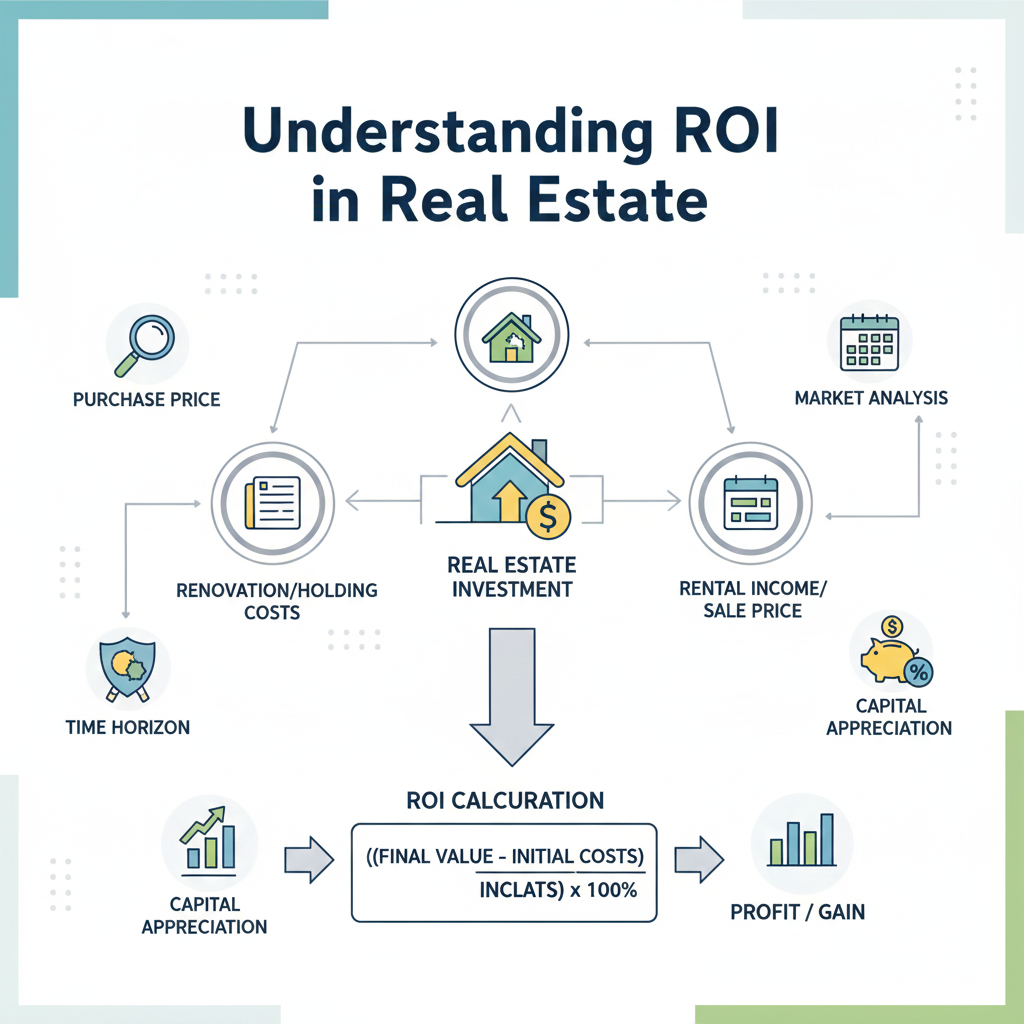
Return on investment (ROI) in real estate isn’t just about rental income or future sale value; it also includes tax benefits, leverage advantages, property improvements, and long-term market trends. Savvy investors look at:
-
Cash flow — the income property generates after expenses
-
Appreciation potential — how the property value is likely to grow
-
Tax advantages — deductions like depreciation or 1031 exchanges
-
Market dynamics — local economy, demand trends, demographic shifts
The sweet spot for high ROI often lies in markets and sectors where demand is strong, inventory is limited, and future growth prospects are favorable.
1. Emerging Secondary and Tertiary Markets

Top-tier coastal cities like New York and San Francisco have traditionally dominated real estate investing, but rising prices and slowing rent growth have pushed investors to look elsewhere.
Secondary and tertiary markets — especially in the South and Midwest — have become strong contenders for high ROI due to:
-
Lower purchase prices
-
Strong population growth
-
Expanding job markets
-
Improved quality of life factors
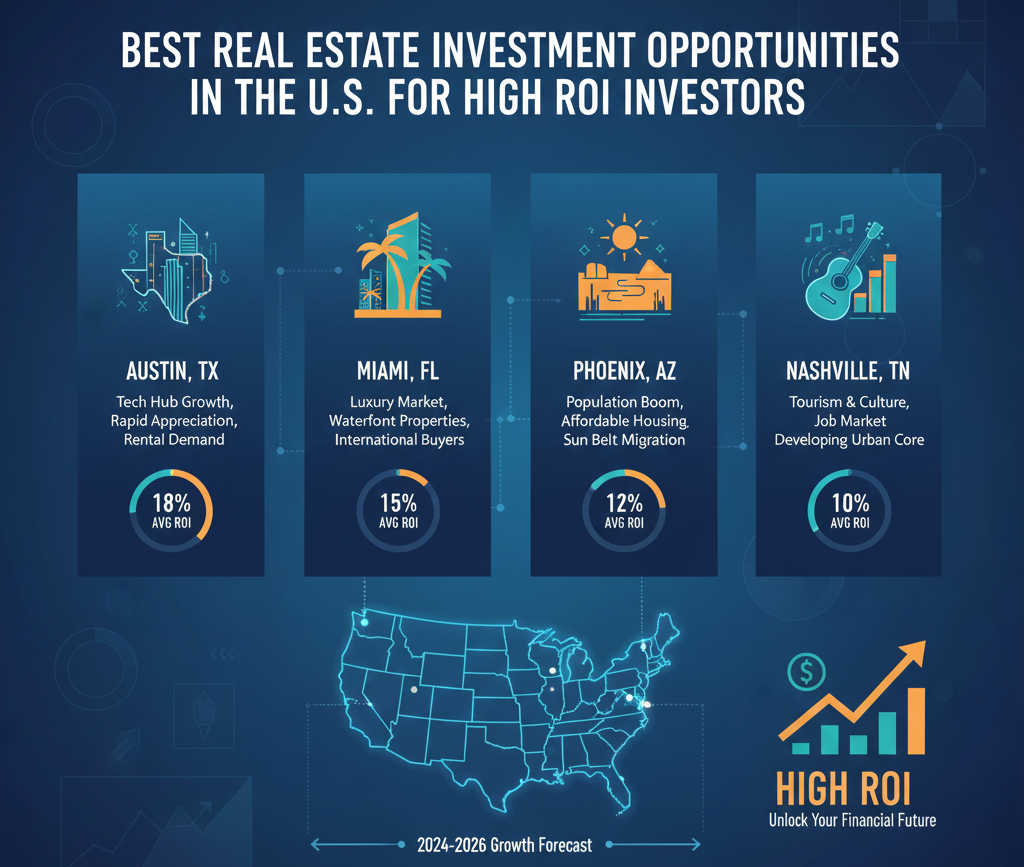
Cities like Austin, Phoenix, Tampa, Raleigh, and Nashville have seen sustained demand from remote workers, retirees, and businesses relocating from expensive coastal metros.
These markets often deliver higher rental yields and greater appreciation potential compared to saturated, high-cost areas.
2. Single-Family Rentals (SFR) with Growing Demand
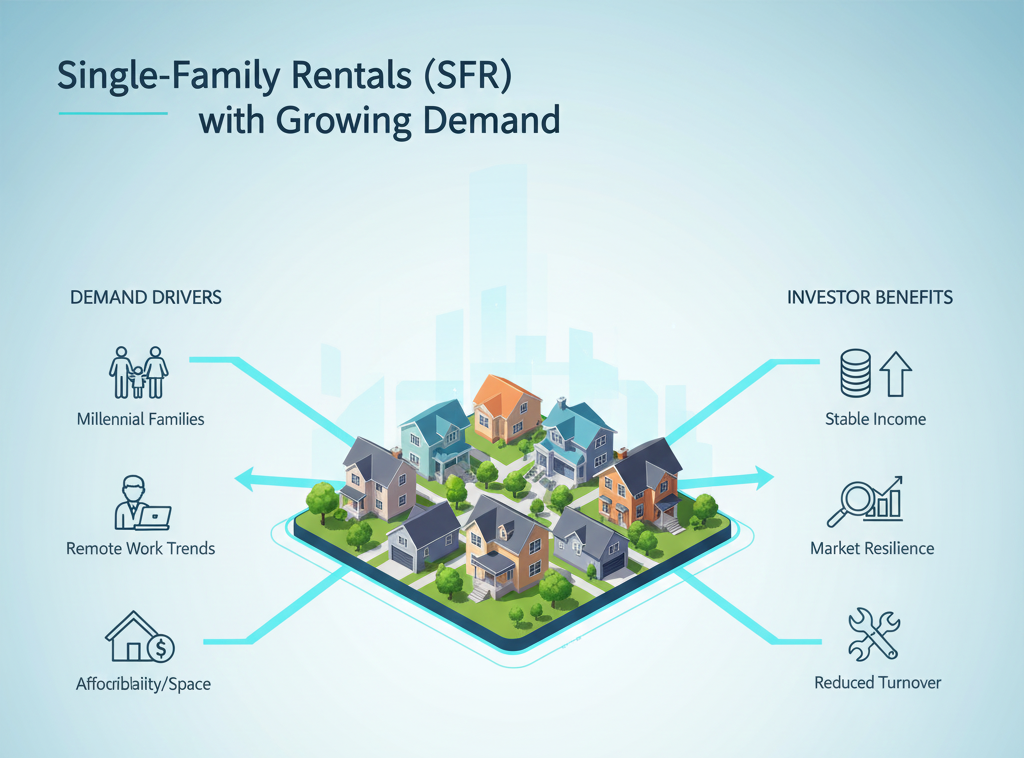
Single-family rentals remain one of the most accessible paths for investors aiming for ROI through rental income and property appreciation.
Why SFR continues to perform in 2026:
-
Homeownership remains out of reach for many buyers due to high prices and mortgage costs
-
Families desiring space and stability choose rental homes in suburban areas
-
SFRs can often be managed at scale with established property management firms
Investors can enter the SFR market through direct ownership or by partnering with firms that specialize in acquiring and managing portfolios of single-family homes.
3. Short-Term and Vacation Rentals
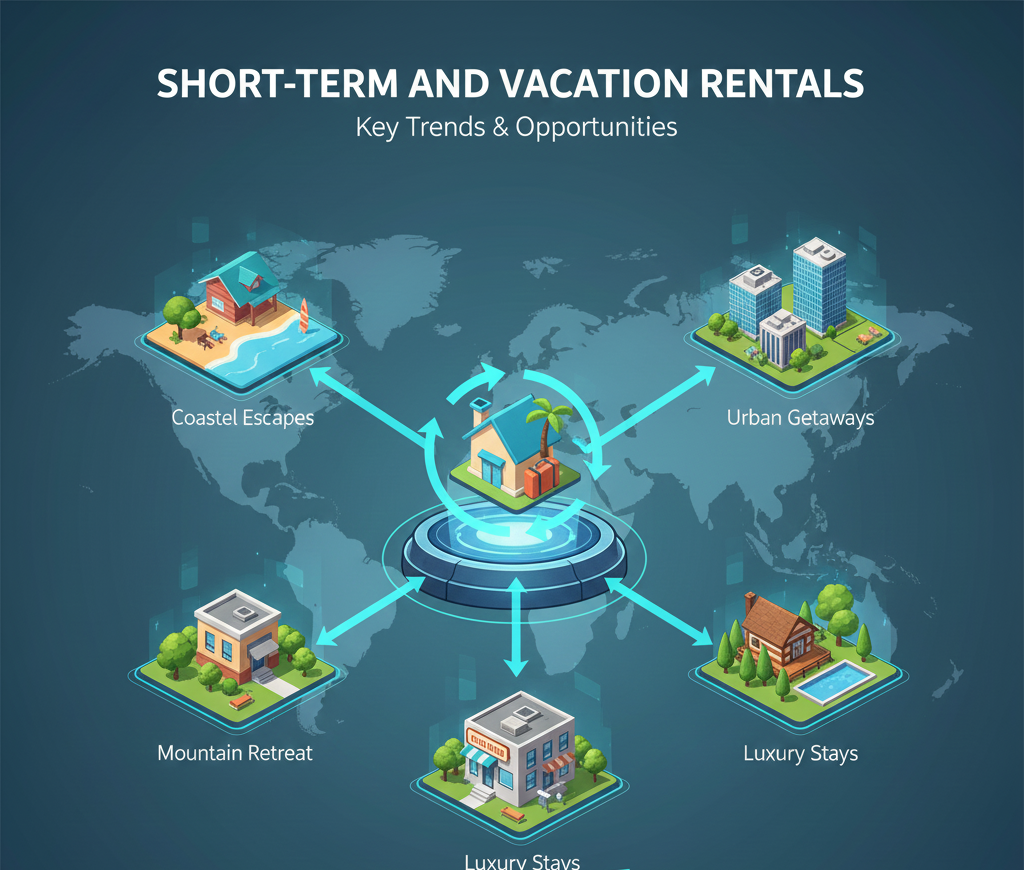
With travel bouncing back and flexible work arrangements on the rise, short-term rentals — think Airbnb and Vrbo — are once again capturing investor interest.
This segment can produce higher income per night than traditional leases, particularly in:
-
Tourist destinations
-
Mountain and beach regions
-
Urban markets with strong business travel
However, short-term rentals also come with operational complexity and regulatory risk, so investors need to be diligent about local laws, seasonality, and effective pricing strategies.
4. Multifamily Properties
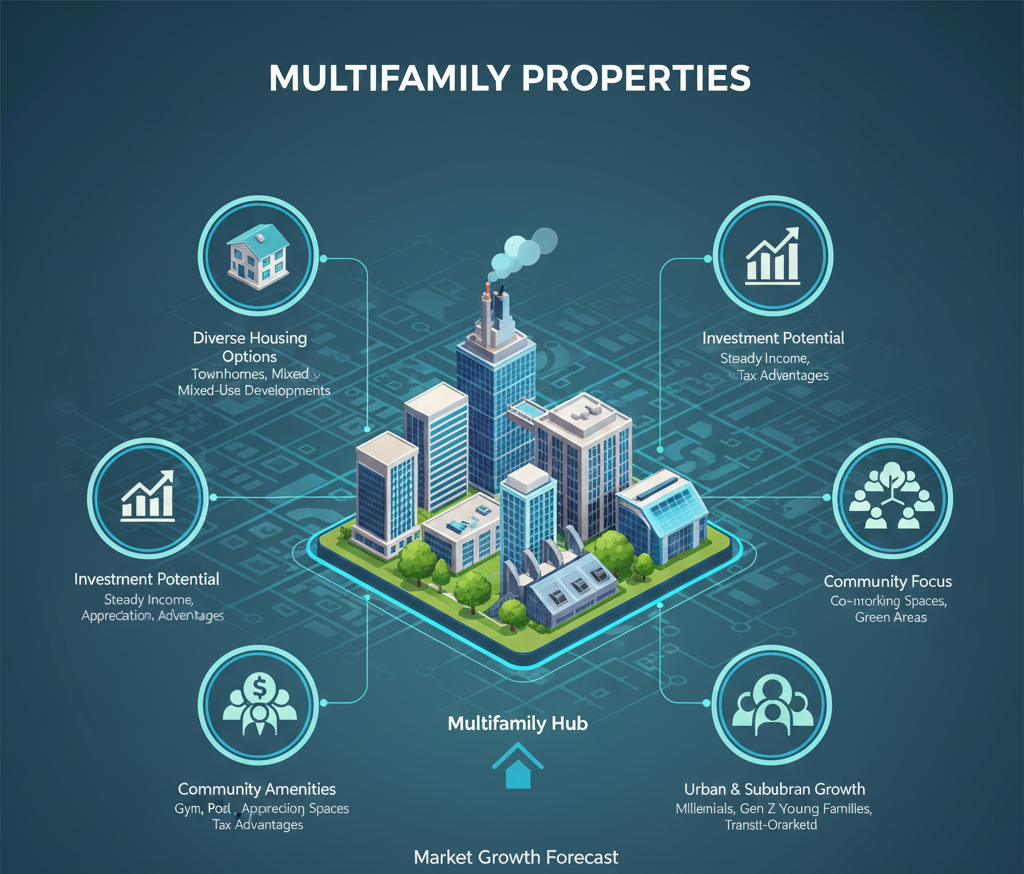
Multifamily real estate remains a cornerstone of high-ROI investing due to its built-in diversification: multiple units spread income risk.
Smaller multifamily buildings (2–20 units) are particularly attractive to mid-level investors because:
-
Financing tends to be more accessible
-
Property management becomes more efficient at scale
-
Rental demand for affordable housing units continues to rise
Larger apartment complexes can offer even greater ROI potential but often require institutional capital and professional asset management teams.
5. Industrial and Logistic Real Estate
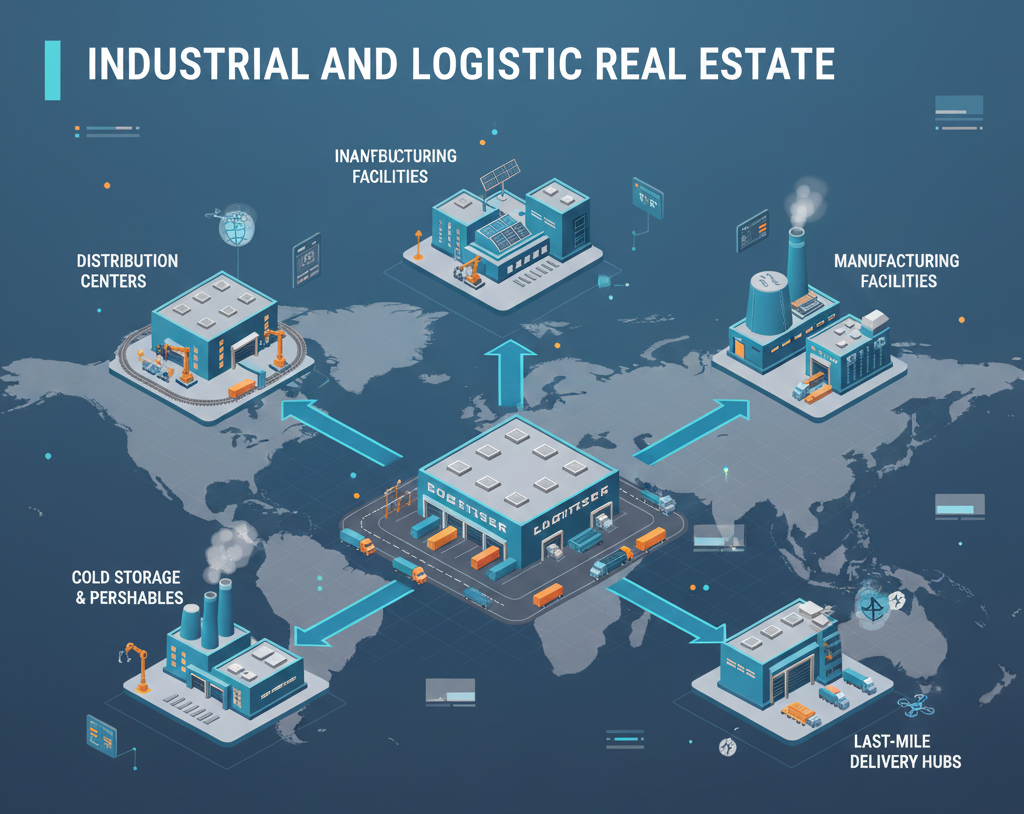
E-commerce growth has transformed industrial real estate into one of the strongest sectors for ROI, especially warehouse and distribution centers near major transit hubs.
Reasons this sector is booming:
-
Continual demand for last-mile delivery facilities
-
Rising investment from institutional and private capital
-
Relatively low maintenance and stable long-term leases
Industrial assets often provide consistent cash flow with less operational friction than residential properties.
6. Specialized Commercial Properties
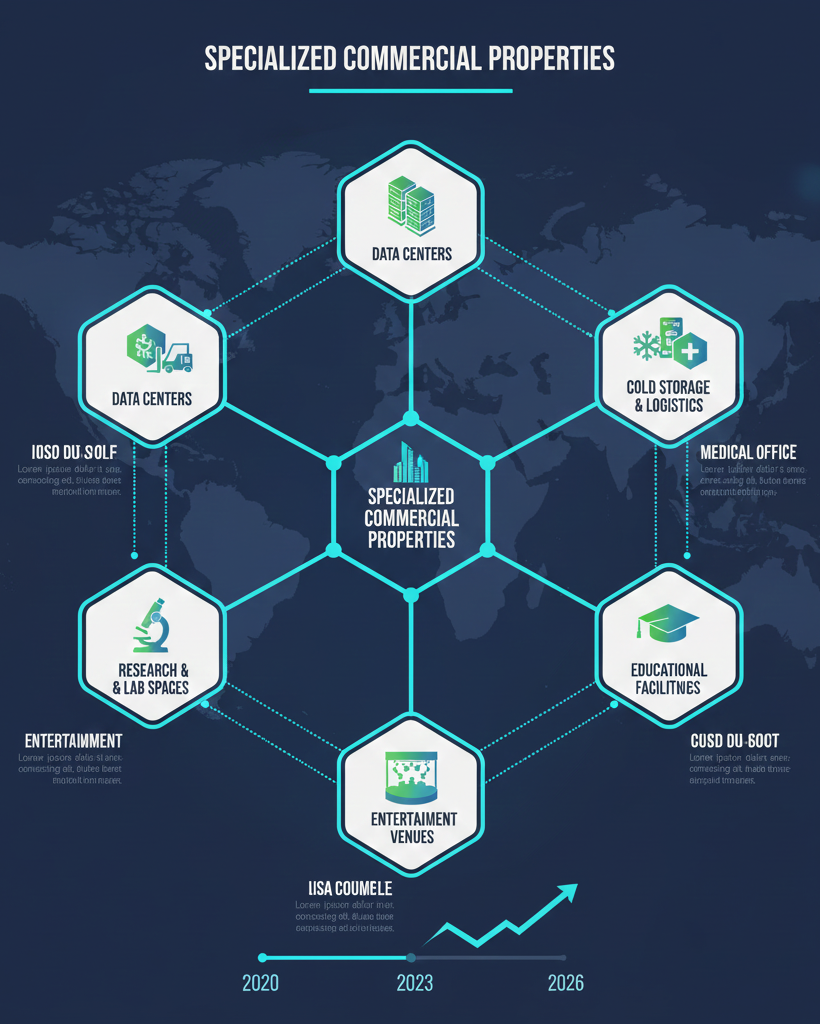
While traditional office and retail properties struggled in recent years, certain niche commercial sectors have shown resilience and attractive ROI:
Medical Office Buildings
Aging populations and rising healthcare needs have made medical real estate a standout.
Data Centers
Powered by the ever-expanding digital economy, data centers are in high demand and rarely vacated.
Self-Storage Facilities
Self-storage remains surprisingly recession-resilient thanks to consumer and business storage needs.
These property types often come with long leases and high tenant retention, boosting ROI potential.
7. Real Estate Investment Trusts (REITs)
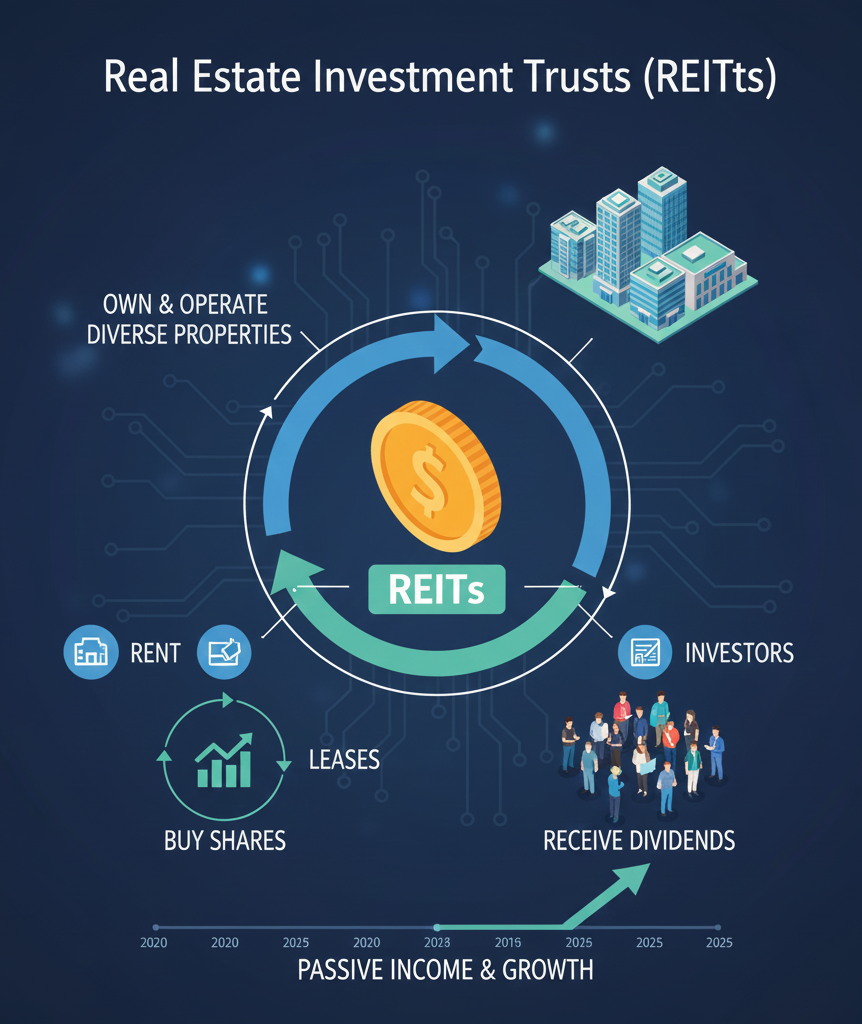
For investors who want exposure to high-performing sectors without dealing with physical property management, REITs offer a compelling alternative.
REITs focused on:
-
Logistics and industrial space
-
Healthcare properties
-
Technology hubs
-
Specialized assets like cell towers
provide exposure to growth sectors while paying out regular dividends.
Publicly traded REITs also offer liquidity that traditional real estate does not, making them attractive for diversified portfolios.
8. Fix-and-Flip Properties
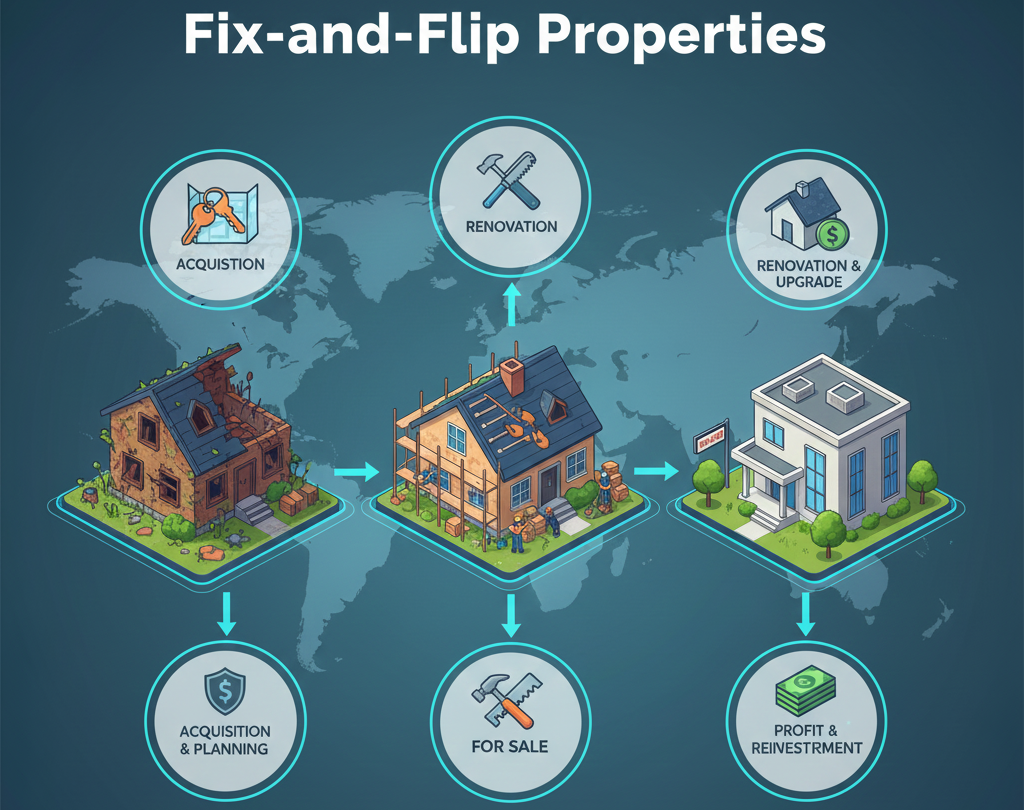
Fix-and-flip investing isn’t passive, but when done right, it can generate high short-term returns.
Success in fix-and-flip strategies depends on:
-
Accurate renovation cost estimation
-
Local market knowledge
-
Efficient project management
Exit strategies vary between selling at market price or converting the property to a rental to benefit from both income and value appreciation.
What Matters Most in 2026

Today’s real estate smart money isn’t just buying property — it’s buying the right property at the right time and in the right location.
Top factors investors should evaluate:
-
Strong economic and demographic growth
-
Affordable entry prices with upside potential
-
Rent versus buy demand
-
Local regulatory environment
Investors who combine data, foresight, and sound risk management are most likely to realize superior ROI.
Final Thoughts

High ROI in real estate investing is not about following trends blindly; it’s about understanding the evolving U.S. market and matching strategies to both opportunity and risk tolerance. Whether you prefer long-term rentals, short-term cash flow, multifamily diversification, or specialized commercial assets, the right approach can elevate returns while minimizing stress.
As the market changes, so should your strategies. Staying informed, flexible, and proactive will ensure your real estate portfolio continues to work hard for you well into the future.