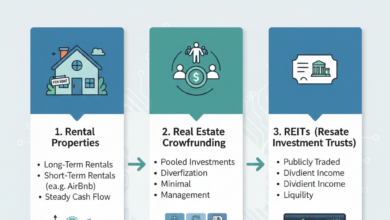
“Is Real Estate Still a Good Investment in 2026? U.S. Market Forecast & Analysis”

Is Real Estate Still a Good Investment in 2026? U.S. Market Forecast & Analysis

Real estate investing has long been a cornerstone of long-term wealth building—but with shifting economic conditions, changing demographics, and evolving housing trends, many potential investors ask the same question in 2026: Is real estate still a good investment in the United States?





The short answer is yes—but with nuance. Real estate remains a compelling investment class in 2026, offering income, appreciation potential, and diversification—but the landscape has changed and requires careful strategy, timing, and market selection. Below is a comprehensive look at how the U.S. real estate market is projected to perform and what investors should consider.
🔍 1. Home Prices: Continued Growth but Slower
Experts and major forecasts agree that home prices will continue to rise in 2026, but at a more moderate pace than the explosive growth seen during the pandemic years. National projections estimate:
-
2.2% national increase in home prices (Realtor.com)
-
Various forecasts range from 0.5% to 4% growth, indicating modest appreciation rather than rapid spikes
This steady growth suggests that real estate is still profitable over the long term, especially in markets where inventory remains below historical averages.
📊 2. Supply and Affordability: A More Balanced Market
After years of tight supply and low inventory, 2026 is expected to bring a more balanced market:
-
Inventory is rising, helping ease upward price pressure but still remaining below pre-pandemic norms
-
The typical mortgage payment share of income may drop below 30%, a key affordability threshold
-
Home sales are projected to rise modestly, but still remain below long-term historical levels
This balance reduces extreme risk for investors and can offer more stable pricing conditions.
📉 3. Mortgage Rates and Financial Dynamics
Mortgage rates have played a major role in shaping the real estate market. While they remain higher than the ultra-low pandemic era, forecasts indicate that rates will stabilize in the low–mid 6% range through 2026.
Higher rates have historically dampened buyer demand and slowed rapid price growth—but they also help:
-
Reduce bidding wars
-
Encourage more realistic investment strategies
-
Give investors time to plan rather than rush purchases
The so-called “mortgage lock-in effect”—where homeowners stay in existing low-rate loans—is expected to gradually ease, potentially increasing housing supply over time.
📈 4. Rental Market: Changing Dynamics
The rental landscape is also shifting. Recent data suggest:
-
Some cities are experiencing rent concessions, especially where luxury inventory exceeds demand
-
Overall, new construction is adding supply that could slow rising rents in many regions
Despite these trends, demand for rentals remains stable—especially among younger cohorts and households priced out of homeownership.
🏙 5. Regional Variations Matter
National averages only tell part of the story. Real estate performance increasingly depends on local markets:
-
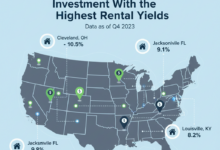
Some areas like parts of the Midwest and Northeast may see stronger price growth due to limited inventory
-
Major urban tech hubs (e.g., Bay Area luxury segments) continue to command high prices but also face affordability challenges
-
Secondary and tertiary markets with strong job growth and lower entry costs often outperform larger coastal metros
For investors, choosing the right location is critical to maximizing ROI.
💡 6. Investment Perspective: Long-Term Still Strong
Looking beyond short-term volatility, real estate continues to offer:
✔ Wealth Building
Modest price appreciation still supports long-term equity growth.
✔ Passive Income Opportunities
Rental properties can generate consistent cash flow even in balanced markets.
✔ Inflation Hedge
Real estate historically holds value better than many financial assets in inflationary environments.
✔ Diversification
Property adds a non-correlated asset to traditional portfolios like stocks and bonds.
📌 Summary: Good Investment With Evolving Conditions

So, is real estate still a good investment in 2026?
Yes—if approached with a realistic, informed strategy.
The market in 2026 is not a runaway boom, but it is balanced—with:
-
Stable, modest price growth rather than dramatic spikes
-
Improving affordability and inventory levels
-
Opportunities for both rental income and long-term appreciation
-
Regional trends that favor smart market selection
Investors who focus on long-term fundamentals, local data, and disciplined financial planning can expect real estate to remain a strong part of a diversified investment portfolio.